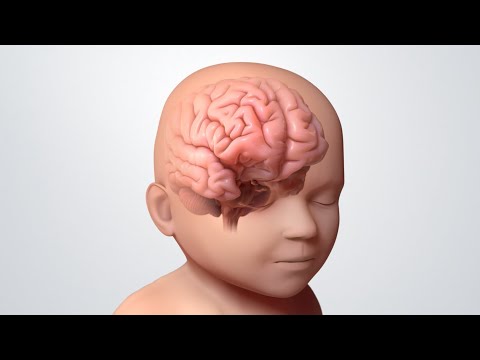
What is epilepsy in children?
Epilepsy is a neurological disorder characterized by recurrent seizures caused by abnormal electrical activity in the brain. In children, this condition can manifest in various forms, impacting their daily lives and development. Understanding epilepsy in children is crucial for early diagnosis and effective management, allowing for better outcomes and quality of life for affected children and their families.
Causes of Epilepsy in Children
Epilepsy in children can arise from a variety of factors. Genetic predisposition, brain injuries, infections, and developmental disorders are some of the leading causes. In many cases, the exact cause remains unknown, making it essential for parents to work closely with healthcare providers to identify potential triggers and risk factors.
Types of Seizures
There are several types of seizures that children with epilepsy may experience. These include focal seizures, which start in one area of the brain, and generalized seizures, affecting both hemispheres. Understanding the specific type of seizure is vital for appropriate treatment and management strategies.
Symptoms to Watch For
Recognizing the symptoms of epilepsy is crucial for timely intervention. Common signs include sudden jerking movements, loss of consciousness, or unusual behaviors. Parents should document any seizure activity and consult a healthcare professional to ensure proper diagnosis and care.
Diagnosis and Testing
The diagnosis of epilepsy typically involves a comprehensive evaluation, including a detailed medical history and neurological examination. Tests such as EEG (electroencephalogram) and brain imaging may be conducted to observe brain activity and identify abnormalities. Early diagnosis can significantly impact treatment effectiveness.
Treatment Options
Treatment for epilepsy in children often includes medication, lifestyle adjustments, and in some cases, surgery. Antiepileptic drugs (AEDs) are commonly prescribed to control seizures. Additionally, a well-balanced diet and regular sleep patterns can play a supportive role in managing the condition. Ongoing communication with healthcare providers is essential to tailor the treatment plan to the child's needs.
Impact on Daily Life
Epilepsy can significantly affect a child's daily life, influencing their social interactions, academic performance, and emotional well-being. Children may experience anxiety about having seizures in public, which can lead to social withdrawal. It’s important for families to create a supportive environment that encourages open communication and understanding.
Educational Considerations
Children with epilepsy may require special accommodations in educational settings. Schools should be informed about the child’s condition to provide necessary support. Some considerations include:
- Flexible attendance policies for medical appointments.
- Access to a quiet space for recovery after a seizure.
- Training staff on seizure management and first aid.
By implementing these measures, schools can foster a more inclusive environment for children with epilepsy.
Support for Families
Caring for a child with epilepsy can be challenging for families. It’s essential for parents and caregivers to seek support from local or online communities. Connecting with others who share similar experiences can provide emotional relief and practical advice on managing the condition.
Myths and Misconceptions
There are numerous myths surrounding epilepsy that can perpetuate stigma. One common misconception is that children with epilepsy cannot lead normal lives. In reality, with appropriate treatment and support, many children with epilepsy thrive and achieve their goals. Educating the community about the facts can help dispel these myths.
Long-term Outlook
The long-term outlook for children with epilepsy varies widely. Some may outgrow the condition, while others may require ongoing treatment into adulthood. Regular follow-ups with healthcare providers are crucial for monitoring the condition and adjusting treatment as necessary. Overall, with proper management, many children with epilepsy can lead fulfilling lives.
Can children outgrow epilepsy?
Yes, many children can outgrow epilepsy as they develop. This phenomenon is particularly common in certain types of seizures, such as childhood absence epilepsy. However, each case is unique, and continuous monitoring by healthcare professionals is essential to assess the child's condition over time.
What should I do during a seizure?
During a seizure, it is important to stay calm and ensure the child's safety. Move any nearby objects that could cause injury, and place the child on their side to help keep the airway clear. Timing the duration of the seizure is also crucial; if it lasts longer than five minutes, seek emergency medical assistance.
Are there any dietary changes that can help?
Some families explore dietary options, such as the ketogenic diet, which is high in fats and low in carbohydrates. This diet has shown promise in reducing seizure frequency in some children. However, any dietary changes should be discussed with a healthcare provider to ensure they are safe and appropriate for the child’s individual needs.
How can I support my child emotionally?
Supporting a child with epilepsy emotionally is vital for their overall well-being. Encourage open discussions about their feelings and fears regarding seizures. Engaging in activities that build confidence, such as sports or hobbies, can also help. Additionally, consider involving a therapist who specializes in chronic health conditions to provide professional support.