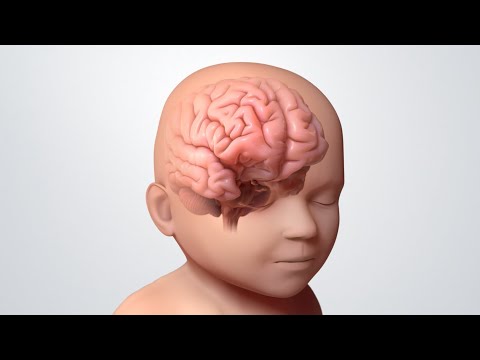
What is epilepsy in children?
Epilepsy is a neurological disorder characterized by recurrent seizures, which are sudden bursts of electrical activity in the brain. In children, this condition can manifest in various forms, often leading to challenges in daily life, including difficulties in school and social interactions. Understanding epilepsy in children is crucial for parents, caregivers, and educators, as it allows for better management and support for those affected. Early diagnosis and appropriate treatment can significantly improve the quality of life for children living with this condition.
Types of seizures in children
There are several types of seizures that can occur in children with epilepsy. The most common include generalized seizures, which affect both sides of the brain, and focal seizures, which begin in one area. Understanding these types is essential for accurate diagnosis and treatment, as each type may require different management strategies.
Causes of epilepsy in children
The causes of epilepsy in children can vary widely. They may include genetic factors, brain injuries, infections, or developmental disorders. In some cases, the exact cause remains unknown. Identifying the underlying cause can help tailor treatment plans and improve outcomes for affected children.
Symptoms to watch for
Common symptoms of epilepsy in children include frequent seizures, unusual behavior, confusion, and loss of consciousness. Parents should be vigilant in observing their child's behavior and report any concerning signs to a healthcare professional. Early recognition of symptoms can lead to timely intervention and management.
Treatment options available
Treatment for childhood epilepsy typically involves a combination of medications, lifestyle changes, and in some cases, surgery. Antiepileptic drugs are often the first line of defense, helping to control seizures effectively. It’s important for families to work closely with healthcare providers to find the most suitable treatment plan for their child.
Impact on daily life
Living with epilepsy can significantly affect a child's daily life. It may influence their academic performance, social interactions, and overall well-being. Support from family, teachers, and peers is crucial in helping children navigate these challenges. Awareness and understanding of the condition can foster a more inclusive environment for children with epilepsy.
Diagnosis of epilepsy in children
The diagnosis of epilepsy typically involves a comprehensive evaluation by a healthcare professional. This process may include a detailed medical history, physical examination, and various diagnostic tests. Common steps in the diagnosis include:
- Neurological examination to assess brain function.
- Electroencephalogram (EEG) to monitor electrical activity in the brain.
- Imaging tests, such as MRI or CT scans, to identify structural abnormalities.
Accurate diagnosis is crucial for determining the appropriate treatment and management strategies for the child.
Managing epilepsy in school
Managing epilepsy in a school setting requires collaboration between parents, teachers, and healthcare providers. It’s essential to create an environment that accommodates the child's needs. Some strategies include:
- Informing school staff about the child's condition.
- Developing an individualized education plan (IEP) if necessary.
- Establishing a seizure action plan to ensure proper response during a seizure.
These measures can help ensure that children with epilepsy receive the support they need to succeed academically and socially.
Support networks for families
Families of children with epilepsy can greatly benefit from joining support networks. These groups provide a platform for sharing experiences, resources, and coping strategies. Connecting with other families can alleviate feelings of isolation and provide valuable insights into managing the condition. Many organizations also offer educational resources and advocacy support to help families navigate the challenges associated with epilepsy.
Common misconceptions about epilepsy
There are several misconceptions surrounding epilepsy that can perpetuate stigma and misunderstanding. Some of these include the belief that all seizures involve convulsions or that children with epilepsy cannot lead normal lives. Addressing these myths is essential for fostering a more informed and supportive community. Education plays a key role in dispelling these misconceptions and promoting awareness.
Long-term outlook for children with epilepsy
The long-term outlook for children diagnosed with epilepsy varies based on several factors, including the type of seizures, response to treatment, and any underlying conditions. Many children experience a significant reduction in seizures with appropriate management, allowing them to lead fulfilling lives. Regular follow-ups with healthcare providers are crucial to monitor progress and adjust treatment as needed, ensuring the best possible outcome for the child.
What triggers seizures in children with epilepsy?
Seizures in children with epilepsy can be triggered by various factors. Common triggers include lack of sleep, stress, flashing lights, and certain medications. In some cases, specific foods or drinks may also provoke seizures. It is essential for parents to keep a diary of their child's seizures and potential triggers to help identify patterns and manage the condition effectively.
Can children outgrow epilepsy?
Many children diagnosed with epilepsy may indeed outgrow the condition as they age. Research indicates that some types of epilepsy, particularly those that begin in childhood, may resolve by adolescence. However, this is not the case for all children, and ongoing medical supervision is crucial to assess their condition over time.
Are there alternative treatments for epilepsy?
While traditional treatments for epilepsy primarily involve medications, some families explore alternative therapies. These may include dietary approaches, such as the ketogenic diet, or complementary therapies like acupuncture. It’s important to discuss any alternative treatments with a healthcare provider to ensure they are safe and effective alongside conventional therapies.
How can I support a child with epilepsy?
Supporting a child with epilepsy involves understanding their condition and providing emotional and practical assistance. Key ways to offer support include:
- Educating yourself and others about epilepsy.
- Encouraging open communication about their feelings and experiences.
- Advocating for necessary accommodations at school and in social settings.
Creating a supportive environment can help children with epilepsy thrive and feel more confident in managing their condition.